7 Essential Steps to Start Trading as a Beginner
· based on the channel Sierra Aaliyah
Key takeaways
- Start trading with $300 to $2,000 as recommended for beginners
- Understand key concepts: calls vs puts, options vs futures
- Use paper trading first to build skill without risk
- Platforms like Webull and TradingView are beginner-friendly
- Trading requires patience; most quit in first 2 months
Trading is the process of buying and selling financial assets such as stocks, options, and futures to profit from market movements. To start trading as a beginner, you don't need a large sum of money or a finance degree — just a solid foundation and the right tools. This guide outlines seven essential steps to get you confidently trading in 2026. For ongoing support and resources, consider joining a community like Crystal Academy Discord which offers mentorship and educational materials.
1. Understand What Trading Is and What It Isn’t
Trading involves speculating on the price movements of assets within various markets. It is not a get-rich-quick scheme. Successful trading requires discipline, research, and risk management. Unlike investing, which focuses on long-term growth, trading can involve short-term positions, including day trading where trades open and close within the same day.
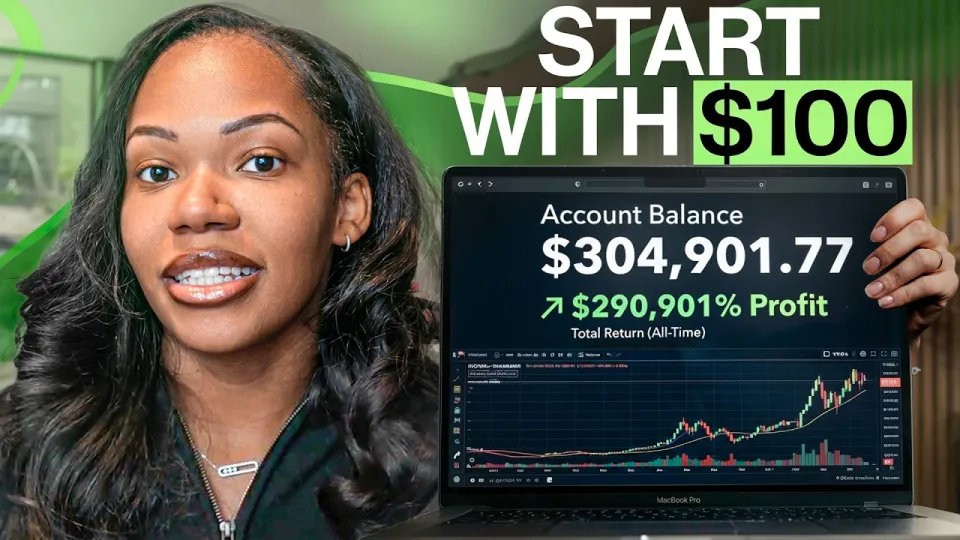
Video: How To Start Trading As A Beginner In 2026 (Step-by-Step)
2. Learn the Basics of Options and Futures
Options are contracts that give you the right, but not the obligation, to buy or sell an asset at a set price before a certain date. Calls let you buy, puts let you sell. Futures are agreements to buy or sell an asset at a future date at a predetermined price. Options trading offers more flexibility and suits many beginners’ schedules better than futures, which require higher capital and have more stringent margin requirements.
3. Choose the Right Broker and Charting Platform
Selecting a user-friendly broker is crucial. Platforms like Webull provide commission-free trades, beginner-friendly interfaces, and free educational resources. For charting and technical analysis, TradingView is highly recommended due to its comprehensive tools and ease of use. These platforms help you analyze market trends and execute trades efficiently.
4. Master Three Core Trading Concepts
Before placing real trades, focus on mastering:
- Market structure: understanding support, resistance, and trend lines
- Candlestick reading: interpreting price action patterns
- Risk management: setting stop losses and position sizing
- These fundamentals build a strong foundation necessary for consistent trading success.
5. Start with Paper Trading
Paper trading lets you practice trading strategies using virtual money without financial risk. Aim to double your virtual account balance before moving to real money. This practice phase helps you understand market mechanics and develop confidence.
6. Manage Your Psychology and Expectations
Trading psychology is critical. Most beginners quit within the first two months due to losses and emotional stress. Patience, discipline, and managing expectations are key. Treat trading as a skill that requires time to develop, not a quick-money endeavor.
7. Join a Trading Community for Support and Mentorship
Learning alone can be overwhelming. Joining communities like Sierra Aaliyah’s Crystal Academy provides mentorship, live guidance, and peer support. This environment helps you stay motivated and learn from experienced traders.
Common Concerns and How to Address Them
Many beginners struggle with chart reading, strategy consistency, and managing losses. Avoid focusing on very short timeframes like 1-minute charts initially, as they can increase stress and false signals. Instead, use higher timeframes to understand institutional flows and market trends better. Consistency is achievable with persistent study and practice.
Useful Links
- Crystal Academy Trading Discord — mentorship and trading community
- Webull Broker Sign-Up — commission-free trades with bonus stocks
- Sierra Aaliyah Instagram
- Sierra Aaliyah TikTok
Conclusion
Starting trading as a beginner involves understanding the market basics, choosing the right tools, and practicing diligently through paper trading. Patience and proper risk management distinguish successful traders from those who quit early. The journey is challenging but rewarding, and communities like Sierra Aaliyah’s Crystal Academy can provide invaluable support on your path. For a comprehensive start, visit Crystal Academy Discord and begin your trading education today.
Source: How To Start Trading As A Beginner In 2026 (Step-by-Step) · Markdown version
Questions & answers
Is it necessary to have a large amount of money to start trading?
No, you don't need a large amount to begin. Experts recommend starting with around $300 to $2,000. It's more important to focus on learning and practicing than on starting capital size.
What is the difference between calls and puts in options trading?
Calls give the buyer the right to buy an asset at a set price before expiration, while puts give the right to sell. Understanding these helps beginners decide how to position trades based on market direction.
Why do most beginners quit trading within the first two months?
Many beginners quit due to emotional stress, early losses, and unrealistic expectations. Trading requires patience, discipline, and skill development, which takes time to build consistently.
What is the benefit of paper trading before using real money?
Paper trading allows beginners to practice with virtual funds to test strategies and understand market behavior without risking actual capital. It builds confidence and skill essential for real trading success.